

In the PCB, semiconductor, and hardware etching industries, copper extraction from etching solutions is a core process that balances environmental compliance and resource recycling. The choice of equipment materials directly determines extraction efficiency, operational stability, and overall cost. In recent years, titanium-clad copper composite materials, with their dual advantages of "titanium's corrosion resistance + copper's superior conductivity," have gradually replaced traditional single-material materials, becoming the preferred solution for copper extraction from etching solutions.
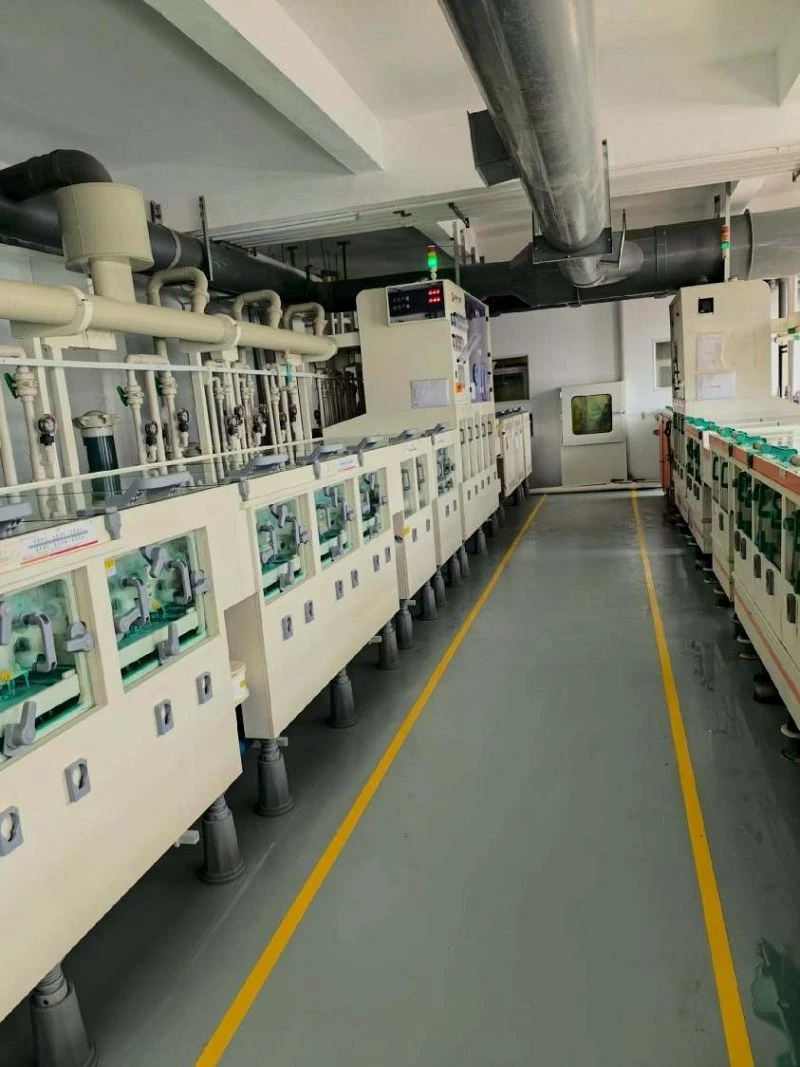
Etching solutions are complex in composition, often containing acidic and oxidizing media. Under long-term immersion, ordinary metal materials are prone to corrosion, leakage, and decreased conductivity. Pure copper has excellent conductivity but weak resistance to etching solution corrosion and a short service life; pure titanium has outstanding corrosion resistance but suffers from low conductivity and high energy consumption. Titanium-clad copper, through a special composite process, uses a titanium layer as an "anti-corrosion outer layer" and a copper core as a "conductive core," perfectly resolving the contradiction between "corrosion resistance" and "conductivity."
The core advantages of titanium-clad copper in etching solution copper extraction equipment are reflected in three aspects:
● Superior corrosion resistance: The titanium layer tightly coats the copper core, resisting the strong corrosion and oxidation of acidic etching solutions, preventing equipment leakage, significantly extending service life, and reducing maintenance downtime;
● Optimal conductivity: The copper core retains the high conductivity of pure copper. Compared to pure titanium equipment, energy consumption is reduced by 15%-30%, current distribution is more uniform during copper extraction, electrolysis efficiency is higher, and copper recovery rate is significantly improved;
● Outstanding cost-effectiveness: Compared to all-titanium equipment, titanium-clad copper offers a more cost-effective alternative while maintaining corrosion resistance. It also simplifies maintenance, reducing overall operating costs by more than 20%, making it particularly suitable for medium to large-scale etching solution copper extraction production lines.

Currently, titanium-clad copper is widely used in key components of etching solution electrolytic copper extraction equipment, such as electrodes, conductive busbars, and reaction tanks. It is stably compatible with both acidic copper chloride etching solutions and alkaline etching solution systems, improving copper recovery purity while reducing etching solution treatment costs, helping companies achieve the dual goals of "environmental compliance + resource recycling".
As the etching industry continues to demand higher standards for copper extraction efficiency and environmental compliance, material upgrades have become a key breakthrough for cost reduction and efficiency improvement. The emergence of titanium-clad copper composite materials not only overcomes the performance shortcomings of traditional materials but also aligns with the industry's green development needs, and will play a crucial role in more demanding copper extraction scenarios in the future.
If your company is facing problems such as corrosion of etching equipment, high energy consumption, and insufficient copper recovery rates, consider upgrading to titanium-clad copper materials-balancing performance and cost to make the copper extraction process more stable, efficient, and economical!